Nothing beats the aroma of freshly baked pizza—crispy on the outside, soft and chewy inside, with just the right amount of char. If you’ve ever wondered how Italian pizzerias achieve that perfect crust, here’s some good news: you can do it right in your own kitchen with simple ingredients and a bit of patience.
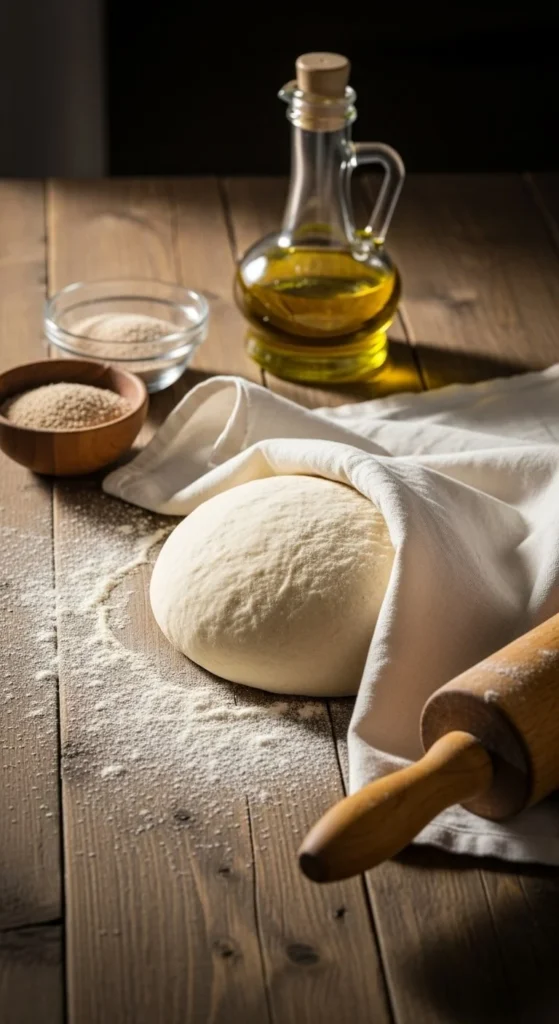
Let’s walk through the authentic way to make Italian pizza dough from scratch—no fancy tools required, just real ingredients and a love for homemade food.
The Magic Starts with Simple Ingredients
Italian pizza dough is all about simplicity and quality. You only need a handful of basic items, but how you treat them makes all the difference.
You’ll need:
- 4 cups all-purpose or “00” flour (for that silky texture)
- 1½ cups warm water (around 100°F / 38°C)
- 1 teaspoon active dry yeast
- 2 teaspoons salt
- 1 tablespoon olive oil
That’s it—no sugar, no milk, no butter. Authentic dough depends on time, not shortcuts.
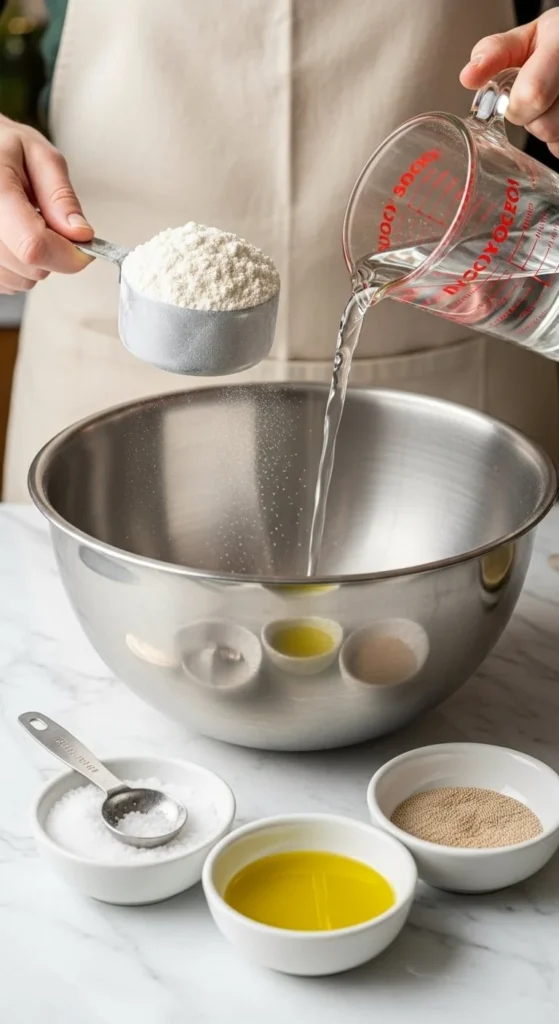
Pro Tip: If you can find Italian “00” flour, grab it. It’s finely milled and gives the dough that soft chew Italians swear by.
Step 1: Activate the Yeast
Pour warm water into a small bowl and stir in the yeast. Let it sit for about 10 minutes until it becomes frothy. This step wakes up the yeast and gets it ready to do its job—creating those lovely air bubbles that make your dough rise beautifully.
If nothing happens after 10 minutes, your yeast might be old. Start fresh to avoid dense dough.
Step 2: Mix and Knead
In a large mixing bowl, add flour and salt. Create a small well in the center and pour in the yeast mixture along with olive oil. Use your hands or a wooden spoon to bring the dough together.
Once it starts forming, turn it out onto a lightly floured surface and knead for about 10 minutes. You’re looking for a smooth, elastic texture that bounces back when pressed lightly.
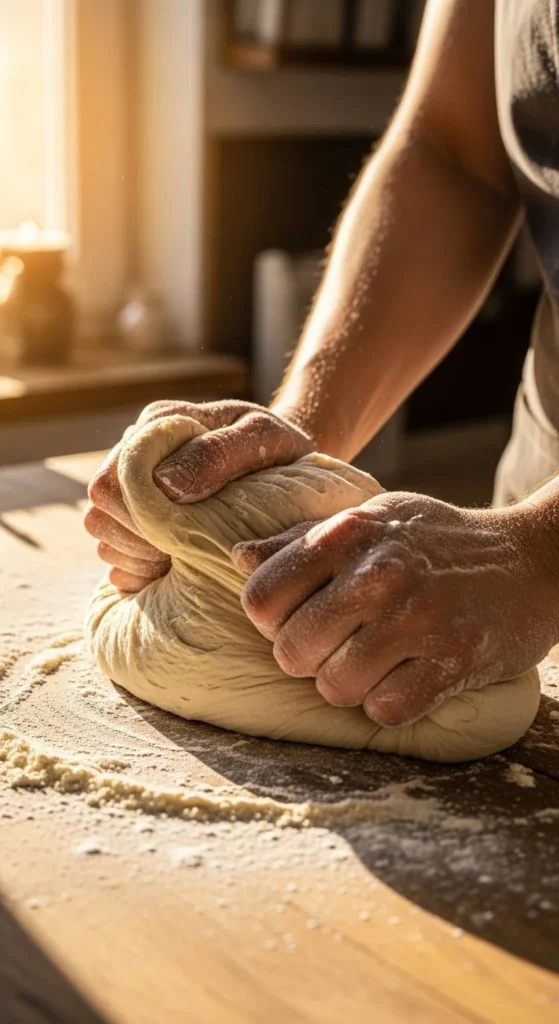
Quick Tip: If the dough feels sticky, sprinkle a bit more flour. If it’s dry or cracking, dip your fingers in water and keep kneading.
Step 3: Let the Dough Rise Slowly
Shape the dough into a ball and place it in a clean, lightly oiled bowl. Cover it with a damp cloth or plastic wrap and let it rest in a warm place for 2 hours.
This slow rise allows the yeast to develop flavor and structure. You’ll know it’s ready when it’s doubled in size and soft to the touch.
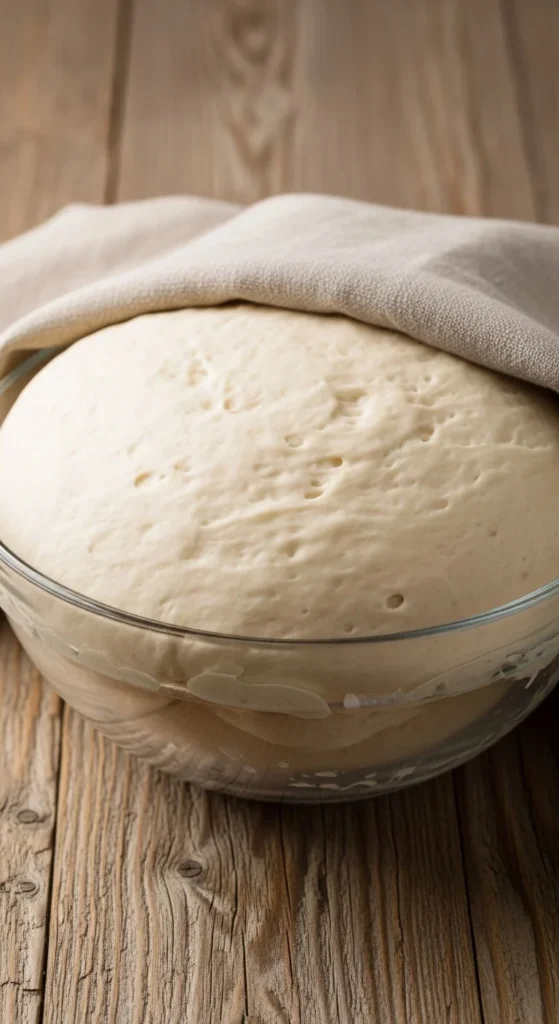
Authentic Tip: For even better flavor, refrigerate the dough for 24 hours after the first rise. This cold fermentation deepens the taste and improves texture.
Step 4: Shape It Like a Pro
Once your dough has risen, gently punch it down to release excess gas. Divide it into 2–3 portions, depending on how large you want your pizzas.
Roll each portion into a ball and let it rest for another 15 minutes—this relaxes the gluten, making it easier to shape.
To form your pizza base:
- Dust your counter with flour.
- Press the dough from the center outward using your fingertips.
- Stretch it gently until it’s about 10–12 inches wide.
Avoid using a rolling pin—it flattens the dough and pushes out the air pockets you worked so hard to create.
Step 5: Time to Bake
Preheat your oven to 500°F (260°C) or as hot as it can safely go. If you have a pizza stone, place it inside while preheating—it helps mimic the heat of a brick oven.
Transfer your shaped dough onto parchment paper or a pizza peel dusted with flour. Add your toppings quickly—don’t overload it! Classic choices include:
- Tomato sauce and mozzarella
- Fresh basil leaves
- A drizzle of olive oil
Bake for 8–10 minutes, or until the crust turns golden and slightly charred on the edges.

Step 6: Serve It the Italian Way
Once out of the oven, let your pizza rest for a minute before slicing. Italians love to finish their pies with:
- A drizzle of extra virgin olive oil
- A sprinkle of sea salt
- Or a few fresh basil leaves for aroma
That’s it—no heavy sauces, no piles of toppings. Just a simple, flavorful dough that shines through every bite.
Extra Tips for Perfect Homemade Dough
- Be patient. The longer the rise, the better the flavor.
- Use room temperature ingredients. Cold water or oil slows down yeast activity.
- Don’t over-knead. Stop once the dough feels smooth and springy.
- Store leftovers smartly. Keep extra dough wrapped in the fridge for up to 3 days or freeze for future pizza nights.
The Takeaway
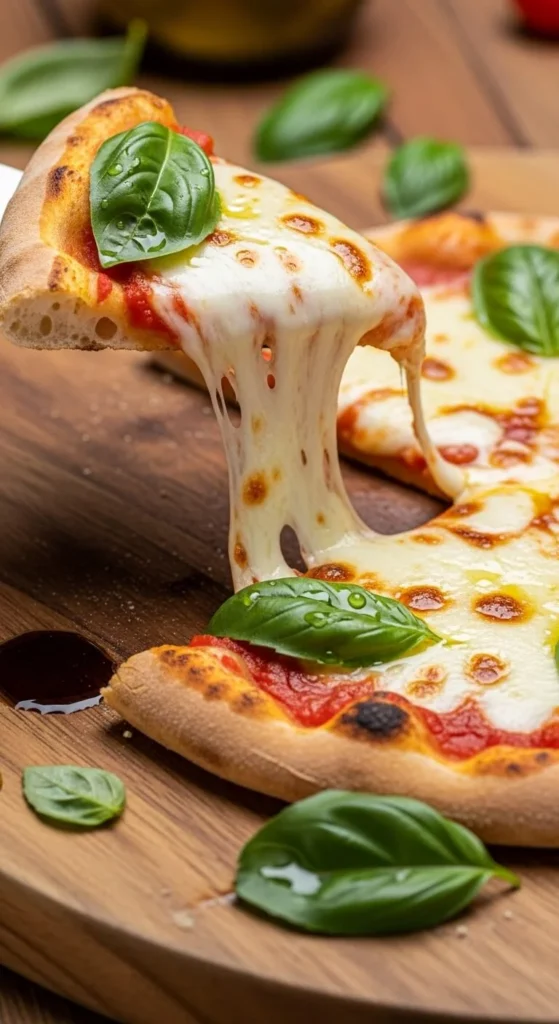
Making authentic Italian pizza dough at home isn’t about perfection—it’s about the experience. The smell of yeast, the feel of soft dough, and the sound of bubbling cheese make the process pure joy.
So next time you crave a real slice of Italy, skip delivery and make it yourself—you’ll never look at pizza the same way again.
🍕 Save this recipe for your next pizza night—it’s pure homemade happiness!
Leave a Reply