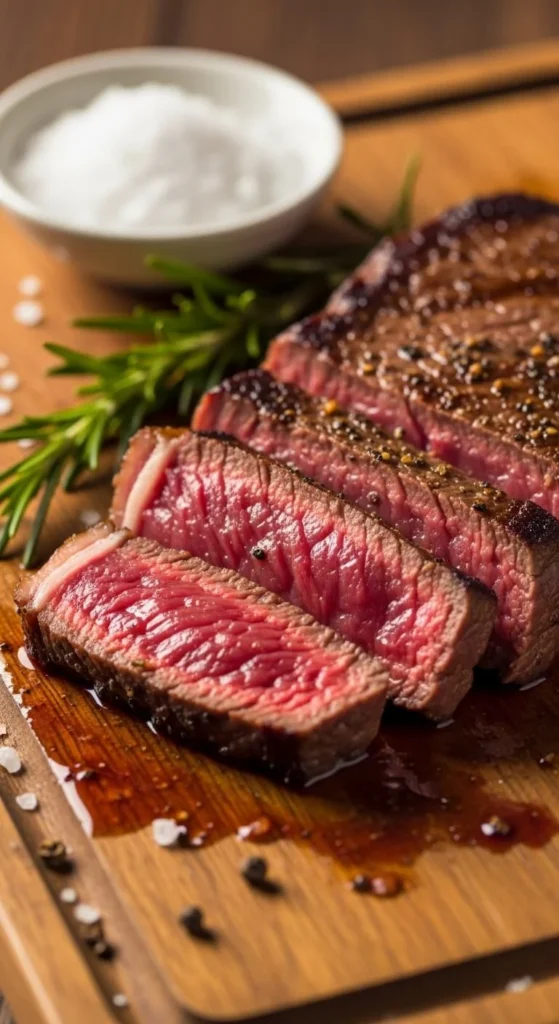
A perfectly cooked steak feels like a small victory—simple ingredients, big flavor, and the satisfaction of cutting into tender, juicy meat. Whether you prefer the comfort of your stovetop or the smoky thrill of the grill, the method is easier than most people think. With just a few steps and a little patience, you can serve a steak that tastes restaurant-quality at home.
Choosing the Right Cut
Great steak starts long before it hits heat. The cut you choose matters, and the good news is you don’t need the most expensive option to get great flavor.
Some reliable, juicy favorites:
- Ribeye (rich marbling, forgiving)
- Strip steak (balanced fat and tenderness)
- Sirloin (leaner but still flavorful)
- Filet mignon (tender, mild)
Look for:
- Good marbling
- Even thickness
- Bright red color
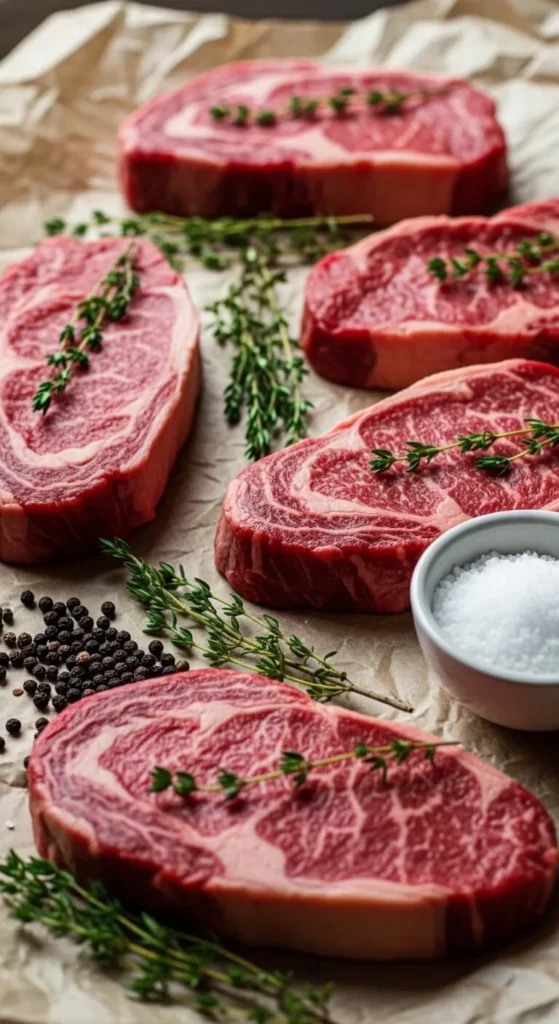
If one steak is thinner than another, it will cook faster—so try to pick cuts with similar shape and size for more predictable cooking.
Essential Prep Before Cooking
A juicy steak comes from thoughtful prep. This part is simple but important.
1. Bring it to room temperature
Let the steak rest on your counter for 20–30 minutes. This helps it cook evenly instead of staying cold in the center.
2. Pat dry
Moisture on the surface prevents searing. Blot both sides with a paper towel.
3. Generous seasoning
Salt is your best friend. Use a coarse salt and sprinkle enough so the surface is coated but not crusted. Add black pepper right before cooking so it doesn’t burn.
Optional add-ons:
- Garlic powder
- Smoked paprika
- Fresh herbs like thyme or rosemary
How to Cook a Juicy Steak on the Stovetop
Cooking steak on the stovetop means control, speed, and a beautiful crust.
Step 1: Heat the pan
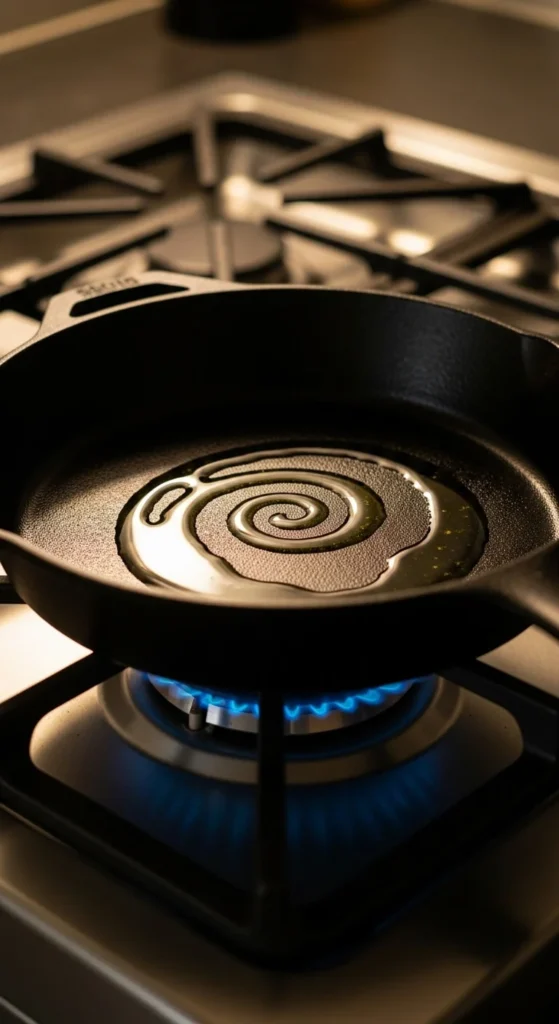
Use a cast-iron skillet if you have one. Heat it over medium-high for several minutes. A hot pan equals a great crust.
Step 2: Add oil
Use an oil with a high smoke point—canola, vegetable, or avocado oil. Add just enough to coat the surface lightly.
Step 3: Sear the steak
Lay the steak in gently. You should hear an instant sizzle. Don’t move it for 2–3 minutes. Once the crust forms, flip it.
Step 4: Add flavor (optional)
During the last minute or two:
- Add a pat of butter
- Toss in a few smashed garlic cloves
- Add a sprig of rosemary or thyme
- Tilt the pan and baste the steak with melted butter
Step 5: Check doneness
Use a meat thermometer for accuracy:
- Rare: 120–125°F
- Medium-rare: 130–135°F
- Medium: 140–145°F
- Medium-well: 150–155°F
Remove the steak when it’s a few degrees lower than your target; it will rise as it rests.
How to Grill a Steak for Maximum Flavor
If you love smoky, charred edges, grilling is the way to go.
Step 1: Preheat the grill
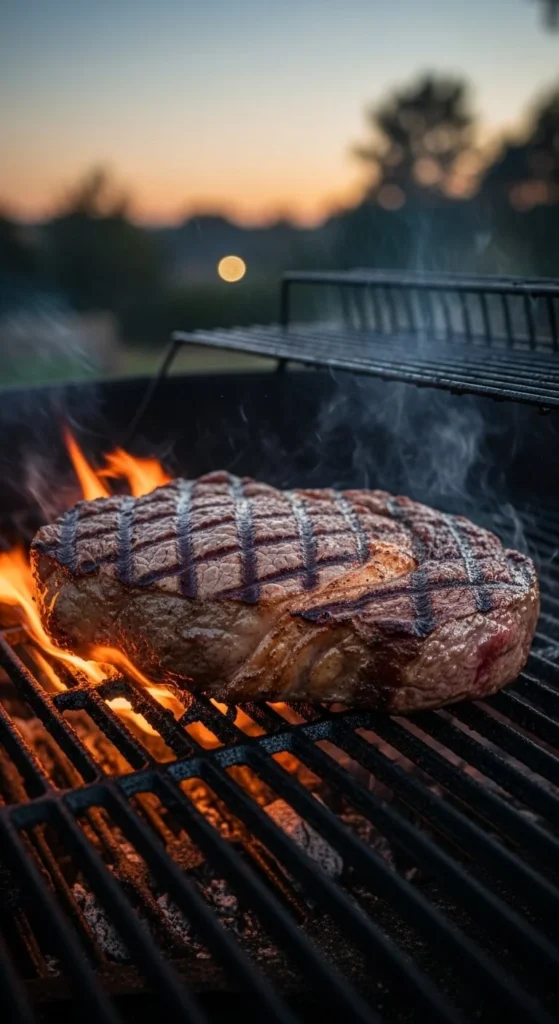
Get it hot—450–500°F. A hot grill gives great grill marks and helps seal in juices.
Step 2: Oil the grates
Dip a paper towel in oil and use tongs to rub it over the grates. This prevents sticking.
Step 3: Grill time
Place the steak on the hottest part of the grill.
Cook times (approx.):
- 1-inch steak: 4–5 minutes per side
- Thicker steak: 6–8 minutes per side
Step 4: The two-zone trick
If the steak is browning fast, move it to a cooler area of the grill to finish cooking. This prevents burning while still cooking through.
Step 5: Let it rest
As with stovetop cooking, resting is key. Give it 5–10 minutes so the juices settle.
Resting and Slicing: The Final Secret
Resting a steak might feel like the longest part of the process, but it’s worth it.
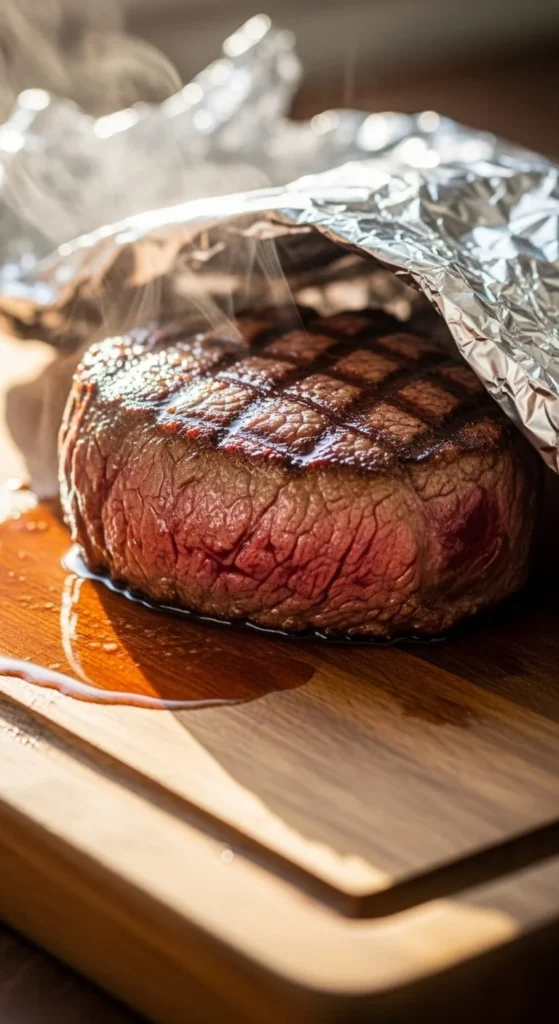
Why resting works:
- It prevents juices from spilling out when you slice
- It keeps the texture tender
- It deepens flavor as the heat distributes evenly
When slicing, cut against the grain. This shortens the muscle fibers and makes every bite softer.
Tips for Extra Flavor
You can keep your steak simple—or add layers of flavor with easy extras.
- Compound butter: Mix butter with garlic, herbs, or lemon zest. Slice a pat on top of the hot steak.
- Marinades: Olive oil, soy sauce, crushed garlic, and a splash of vinegar work wonders on tougher cuts.
- Dry rubs: Paprika, brown sugar, chili powder, and pepper create a savory crust.
- Finishing salt: A pinch of flaky salt adds crunch and depth.
These additions take only seconds but make the experience richer.
Serving Ideas
A juicy steak pairs effortlessly with many sides.
Try:
- Roasted potatoes
- Garlic bread
- Grilled asparagus
- Mashed potatoes
- Green salad with vinaigrette
- Sautéed mushrooms
For a quick sauce, whisk together:
- Pan drippings
- A splash of broth
- A knob of butter
- A spoonful of mustard
Cook for one minute, then drizzle over your steak.
Final Takeaway
Cooking a juicy steak—whether on the stovetop or grill—comes down to heat, timing, and resting. Keep the method simple, use good seasoning, and treat the meat gently. Before long, you’ll have a go-to technique you can repeat every week.
Save this recipe for later and enjoy steak night anytime you want!
Leave a Reply