There’s something magical about a steaming bowl of soup on a cold winter day. It warms your hands, fills your kitchen with comforting aromas, and feels like a cozy blanket from the inside out. Whether you’re fighting off the winter chill or just craving something wholesome, nourishing soups are the ultimate cold-weather comfort food.
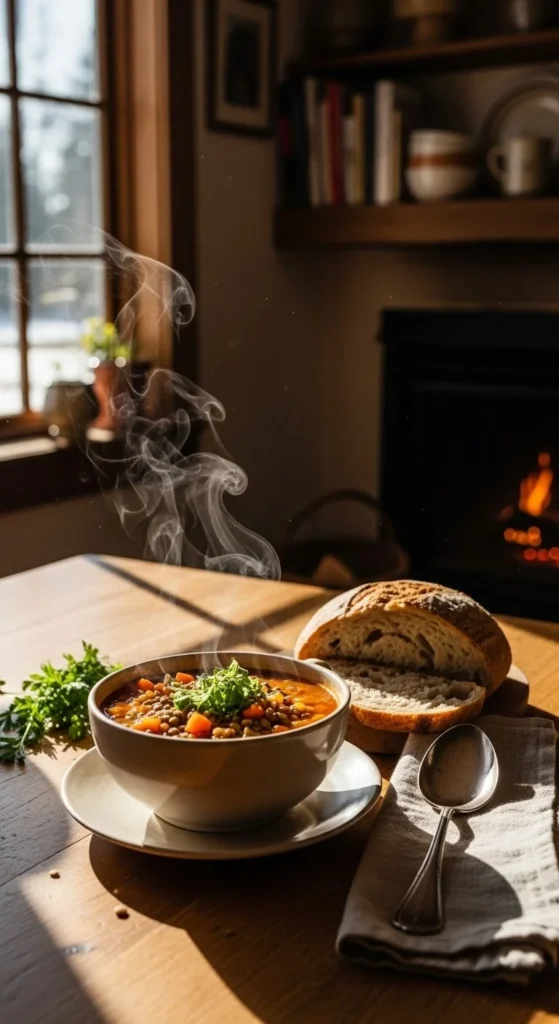
The good news? Making soul-warming winter soups doesn’t require fancy techniques—just good ingredients, simple steps, and a little patience. Let’s break it all down so you can create soups that are both delicious and deeply satisfying.
Start with a Flavorful, Wholesome Base
Every great soup begins with a strong foundation. Think of the base as the backbone—it carries all the other flavors.
Common soup bases include:
- Chicken or vegetable broth
- Homemade stock made from bones or vegetables
- Simple water enhanced with aromatics
To build flavor from the start:
- Warm a little oil in a large pot
- Add chopped onions, garlic, and ginger
- Cook until soft and fragrant
This slow sauté releases natural sweetness and creates depth without needing anything complicated.

Choose Ingredients That Nourish and Comfort
Winter soups shine when they’re packed with ingredients that feel hearty and grounding.
Great choices include:
- Root vegetables like carrots, potatoes, and sweet potatoes
- Lentils, chickpeas, or split peas for plant-based protein
- Shredded chicken or slow-cooked meat for richness
- Leafy greens like spinach or kale added at the end
Try mixing textures—soft vegetables with tender protein and a light broth—to keep each spoonful interesting.
Pro tip: Cut ingredients into similar-sized pieces so everything cooks evenly.
Layer Spices Slowly for Deep Flavor
Spices are where winter soups truly come alive. Instead of adding everything at once, layer your seasonings.
Start with warming spices such as:
- Black pepper
- Cumin
- Coriander
- Turmeric
Add dried herbs early so they infuse the broth, and finish with fresh herbs for brightness.
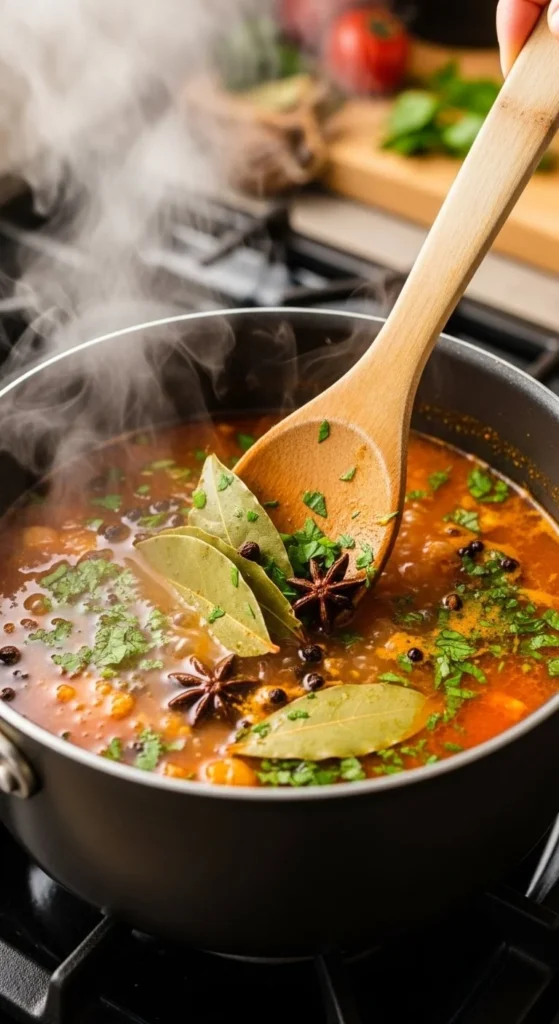
This slow layering creates a soup that tastes rich and balanced—not overpowering.
Let It Simmer (This Is Where the Magic Happens)
Once all your main ingredients are in the pot, it’s time to let the soup do its thing.
- Bring everything to a gentle boil
- Reduce heat to low
- Cover and simmer
Simmering allows flavors to blend beautifully. Depending on the soup, this can take anywhere from 20 minutes to over an hour.
While it simmers:
- Taste occasionally
- Adjust salt and spices
- Add water or broth if it thickens too much
Patience here pays off with deeper, more comforting flavor.
Adjust Texture to Match Your Mood
One of the best parts about soup? You control the texture.
For chunky soups:
- Leave vegetables whole
- Stir gently
For creamy-style soups (without cream):
- Blend a portion of the soup
- Mash vegetables directly in the pot
This trick adds body and richness while keeping the soup light and nourishing.

Finish with Fresh, Comforting Touches
The final touches turn a good soup into a great one.
Try adding:
- Freshly chopped herbs
- A squeeze of lemon for brightness
- A drizzle of olive oil
Serve hot with:
- Warm homemade bread
- Flatbread or simple crackers

These little details make your soup feel special—perfect for slow winter evenings.
Make It Once, Enjoy It All Week
Winter soups are ideal for meal prep. Many taste even better the next day as flavors continue to develop.
Storage tips:
- Cool completely before storing
- Keep in airtight containers
- Refrigerate for up to 3–4 days
You can also freeze soups (especially lentil or vegetable-based ones) for easy future meals.
Final Takeaway
Warm, nourishing soups are more than just food—they’re comfort in a bowl. With simple ingredients, gentle simmering, and thoughtful seasoning, you can create winter soups that heal, satisfy, and truly warm you from the inside out.
Save this guide for later, grab your favorite pot, and let soup season begin! 🍲
Leave a Reply