Some days call for more than just food—they call for comfort. The kind that slows you down, wraps you in warmth, and makes everything feel a little safer. Comfort food does exactly that. It’s not about fancy plating or complicated techniques; it’s about familiar flavors, cozy textures, and meals that feel like home.
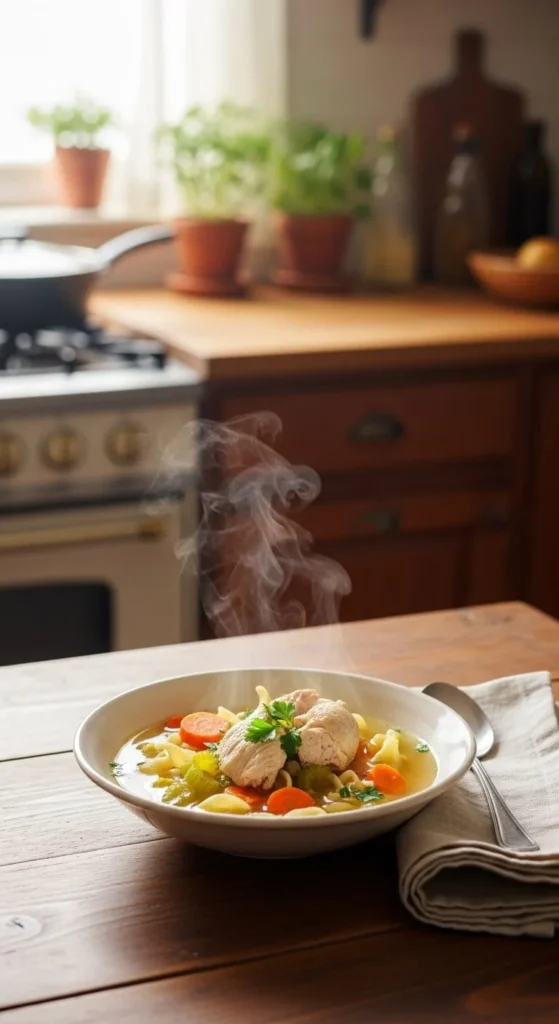
Whether you’re cooking for yourself after a long day or feeding people you love, this guide will help you create comfort food that truly feels like a warm hug.
What Makes Food Feel Comforting?
Comfort food isn’t defined by one cuisine or recipe. It’s defined by how it feels.
Most comforting dishes share a few things in common:
- Warm temperatures and soft textures
- Familiar ingredients you already trust
- Slow, gentle cooking methods
- Rich aromas that fill the kitchen
Think creamy, hearty, and soothing—not heavy or complicated. Comfort food should calm you, not stress you out.
Start With Familiar, Wholesome Ingredients
The foundation of comforting food is ingredients that feel safe and recognizable. This is not the time to experiment wildly.
Common comfort-food staples include:
- Rice, potatoes, pasta, or lentils
- Fresh vegetables like onions, carrots, tomatoes, and spinach
- Proteins such as chicken, beans, or chickpeas
- Pantry basics: garlic, ginger, butter, milk, and gentle spices
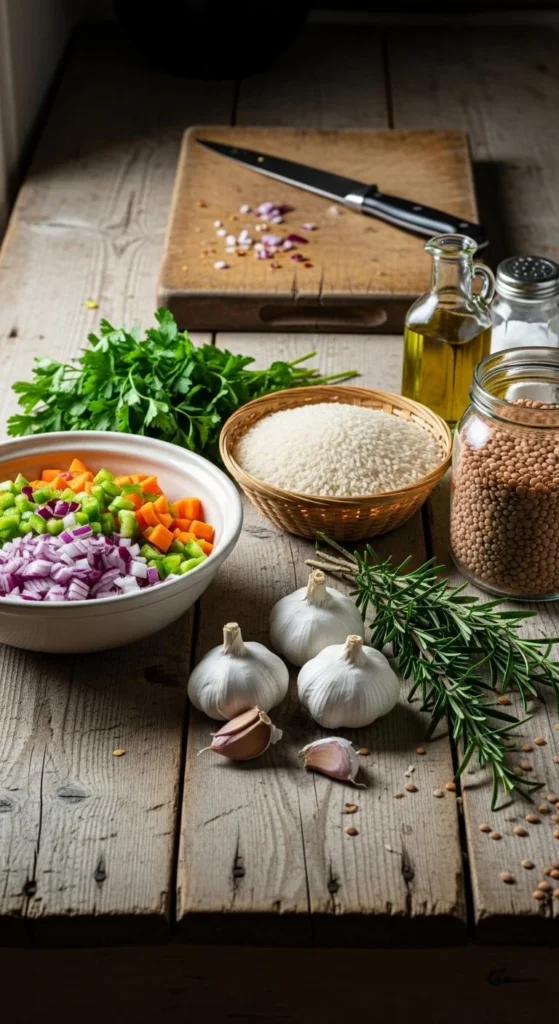
Tip: Choose ingredients you grew up eating or ones tied to good memories. Nostalgia is a powerful seasoning.
Cook Low and Slow for Cozy Results
Comfort food rewards patience. Gentle heat allows flavors to deepen and textures to soften.
Try these cozy cooking techniques:
- Simmer soups and stews instead of boiling them
- Let sauces thicken slowly on low heat
- Cover dishes while cooking to trap warmth and moisture

Slow cooking isn’t just about taste—it’s about the rhythm. The process itself can feel calming and grounding.
Build Layers of Flavor (Without Overdoing It)
Comfort food should be flavorful but never overwhelming. The goal is balance.
Easy ways to build gentle depth:
- Start with sautéed onions, garlic, or ginger
- Add spices early so they bloom softly
- Finish with a small touch of butter, cream, or olive oil
Use seasoning thoughtfully. A pinch of warmth goes a long way. Comfort food should feel smooth and mellow, not sharp or intense.
Focus on Texture: Soft, Creamy, and Hearty
Texture plays a huge role in how food feels emotionally.
Comforting textures often include:
- Creamy soups and gravies
- Soft rice or mashed vegetables
- Tender proteins that fall apart easily

If something feels too dry or stiff, add a splash of warm liquid and let it cook a little longer. Softness equals comfort.
Make It Feel Homemade (Even If It’s Simple)
Comfort food doesn’t have to be elaborate. In fact, simpler is usually better.
Ways to add that homemade touch:
- Stir by hand instead of rushing
- Taste as you cook and adjust gently
- Serve straight from the pot or pan
Little imperfections make food feel real and personal. That’s where the comfort lives.
Serve It Warm and Create a Cozy Moment
How you serve comfort food matters almost as much as how you cook it.
Try this:
- Warm the bowls before serving
- Serve immediately while it’s steaming
- Eat slowly, without distractions

Comfort food is best enjoyed when you give yourself permission to pause.
Comfort Food Is About Care—For Yourself and Others
At its heart, comfort food is an act of care. It says, “You’re safe. You’re nourished. You’re okay.” Whether you’re cooking a simple meal for one or a big pot for family, that intention matters.
You don’t need special skills—just warmth, patience, and love.
Takeaway: Save this guide for the next day you need a little extra comfort, and let your kitchen become your coziest place. 💛
Leave a Reply