If you’ve ever tried low-carb pizza and ended up with a soggy, fork-only situation, you’re not alone. A truly crispy crust—one you can hold, crunch, and proudly top—can feel impossible without traditional flour. The good news? It is possible, and once you learn the right techniques, low-carb pizza becomes a weekly favorite instead of a one-time experiment.
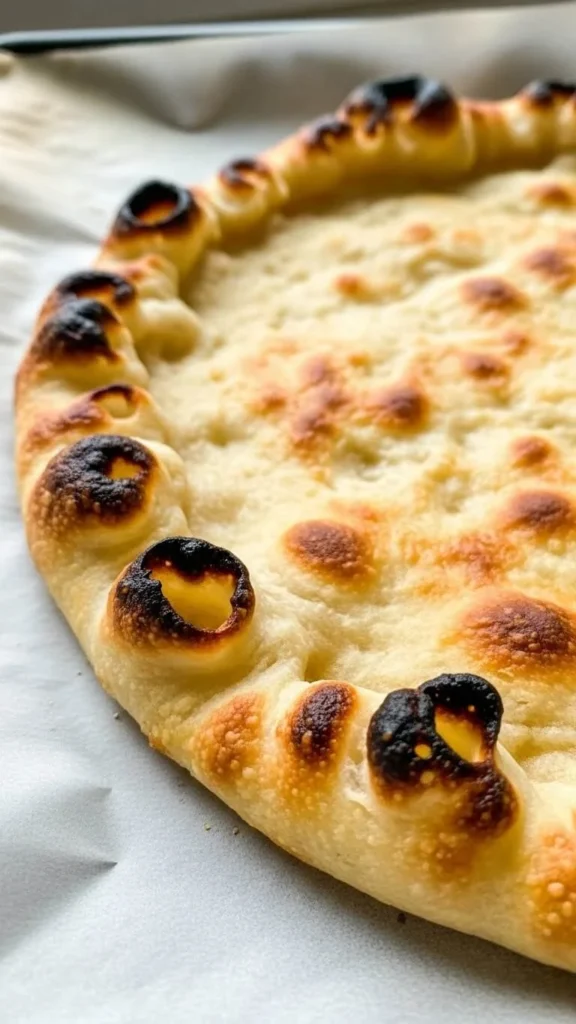
This guide walks you through the why and the how: the best ingredients, the exact steps, and the small tricks that make a huge difference.
Why Most Low-Carb Pizzas Turn Out Soft
Before fixing the problem, it helps to understand it.
Low-carb dough behaves differently because:
- There’s no gluten to create structure
- High-moisture ingredients can steam instead of crisp
- Many recipes skip crucial pre-baking steps
The secret isn’t just what you use—it’s how you treat the dough.
The Best Base for a Crispy Low-Carb Crust
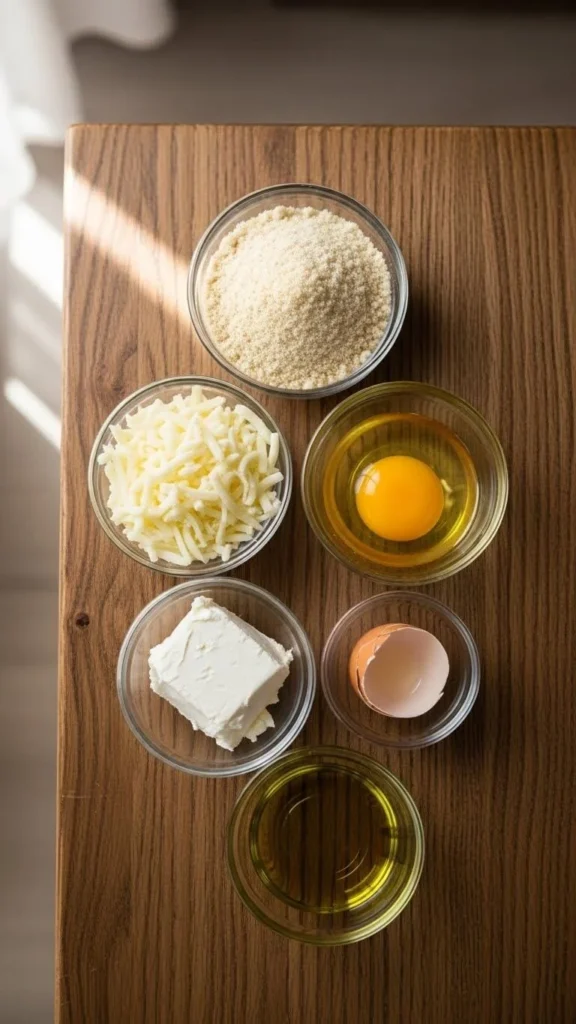
For the most reliable crunch, an almond-flour and cheese-based crust works best. It bakes evenly, browns well, and holds toppings without collapsing.
Key Ingredients
- Finely ground almond flour
- Shredded mozzarella cheese
- Cream cheese
- Egg
- Baking powder
- Olive oil or melted butter
- Salt and simple seasonings (like garlic powder or oregano)
Why this works:
The melted cheese acts as a binder, while almond flour provides structure without heaviness.
Step-by-Step: How to Get That Crunch
1. Melt and Mix Properly
Melt the mozzarella and cream cheese together until smooth. This step is crucial—uneven melting leads to uneven baking.
Stir in:
- Almond flour
- Egg
- Baking powder
- Seasonings
Mix until a soft, slightly sticky dough forms.
2. Roll Thin (Thinner Than You Think)
Place the dough between two sheets of parchment paper and roll it out very thin—about ⅛ inch.
- Thick dough = soft center
- Thin dough = crisp bite
Trim into a circle or rectangle before baking.
3. Pre-Bake Until Lightly Golden
This is the most skipped—and most important—step.
Bake the crust alone at a high temperature until:
- The edges are golden
- The surface looks dry, not glossy
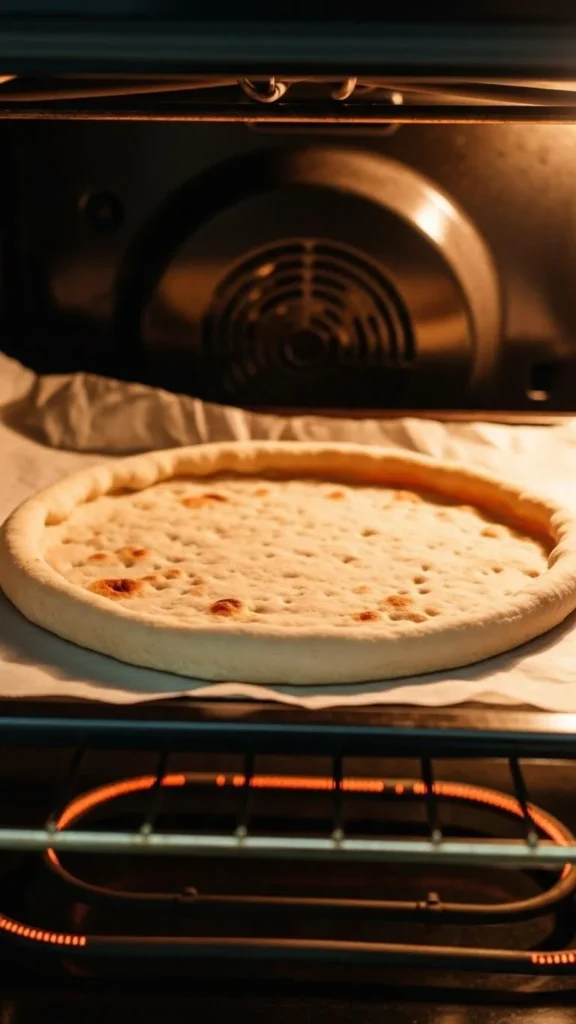
Let it cool for a few minutes. Cooling releases steam, which helps maintain crispness.
Toppings That Keep the Crust Crunchy
Not all toppings are crust-friendly. Moisture is the enemy.
Best Low-Moisture Toppings
- Grilled chicken pieces
- Cooked ground beef
- Mushrooms (sautéed first)
- Bell peppers (thinly sliced)
- Olives
- Fresh herbs
Sauce Tips
- Use less sauce than usual
- Spread it thinly
- Choose thicker sauces over watery ones
Bake Again—Hot and Fast
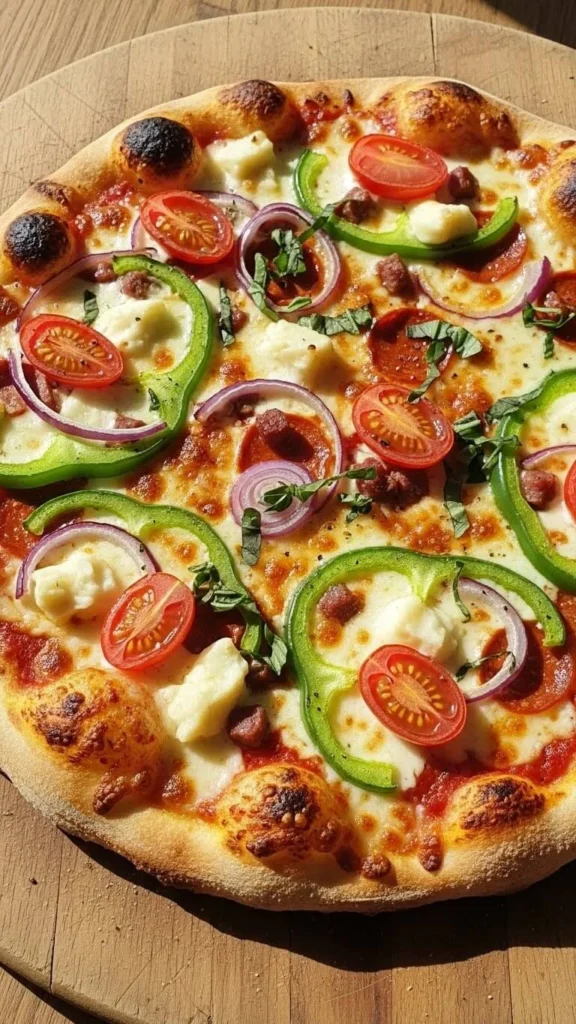
Once topped, return the pizza to the oven for a shorter bake.
- High heat
- Just until the cheese melts and bubbles
- Avoid overbaking, which can soften the base
For extra crispness:
- Slide the pizza directly onto the oven rack for the last 2–3 minutes
- Or use a preheated pizza stone
Extra Tips for Ultra-Crispy Success
- Use finely ground almond flour, not coarse
- Pat down toppings with paper towels if needed
- Don’t skip parchment paper—it prevents sticking and burning
- Let the pizza rest 2 minutes before slicing
Make It Ahead Without Losing Crunch
Yes, you can meal-prep this!
- Pre-bake crusts fully
- Cool completely
- Store in the fridge or freezer
- Add toppings and reheat in the oven when ready
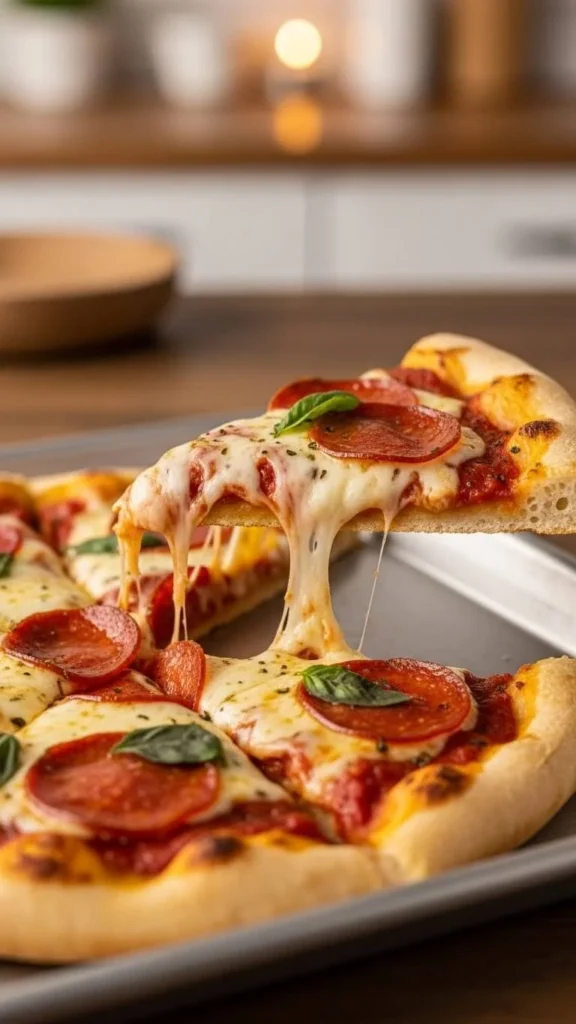
Final Takeaway
Low-carb pizza doesn’t have to be soft, floppy, or disappointing. With the right base, thin rolling, and proper pre-baking, you get a pizza that’s crispy, sturdy, and deeply satisfying—without the carbs.
Save this recipe, pin it for later, and the next time a pizza craving hits, you’ll know exactly what to do 🍕✨
Leave a Reply