There’s something magical about a pot of pasta sauce gently bubbling on the stove. The aroma fills your kitchen, the color deepens by the minute, and suddenly dinner feels like an event—not just a meal. The best part? You don’t need fancy ingredients or chef-level skills to make a rich, homemade pasta sauce from scratch.
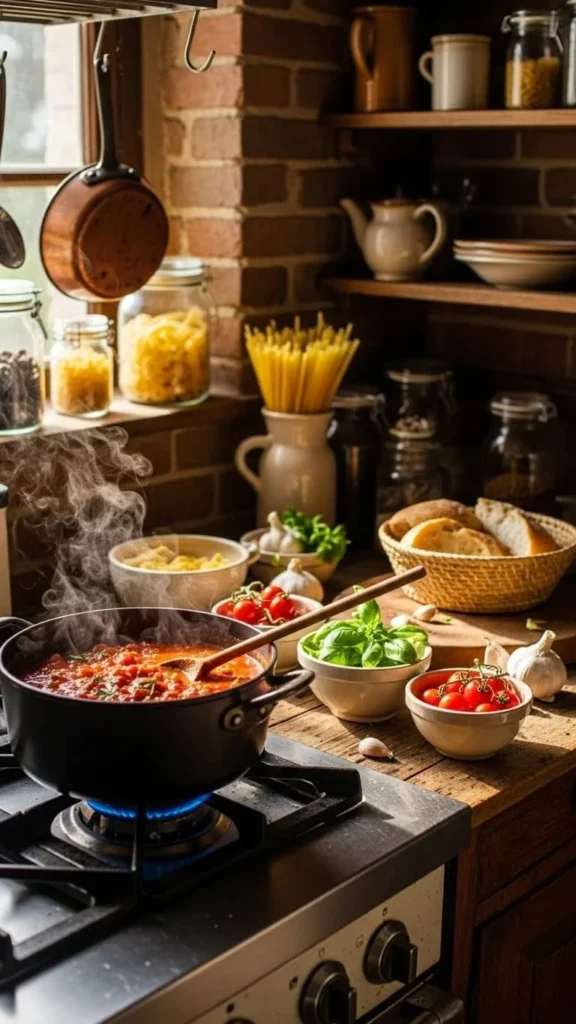
Whether you’re cooking for family, date night, or meal prep, this guide will walk you through creating a deeply flavorful sauce that tastes like it simmered all day (even if it didn’t).
Start with Simple, Quality Ingredients
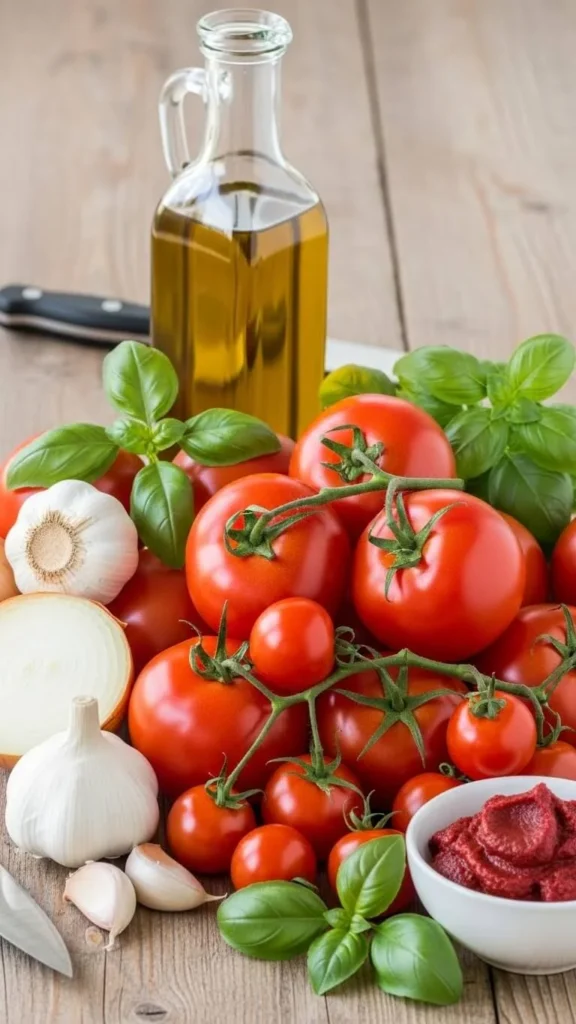
Great pasta sauce begins with a short list of good ingredients. You don’t need everything—just the right things.
Core ingredients:
- Olive oil (extra virgin for best flavor)
- Yellow onion or shallots
- Fresh garlic
- Canned whole tomatoes or crushed tomatoes
- Salt and black pepper
Optional flavor boosters:
- Tomato paste (for richness)
- Fresh basil or dried Italian herbs
- Red pepper flakes
- A splash of cream or butter
- Parmesan rind (if you have one)
Pro tip:
Choose canned San Marzano–style tomatoes if available. They’re naturally sweeter and less acidic, which means better sauce with less effort.
Build Flavor from the Base Up
This step is where homemade sauce truly beats anything from a jar.
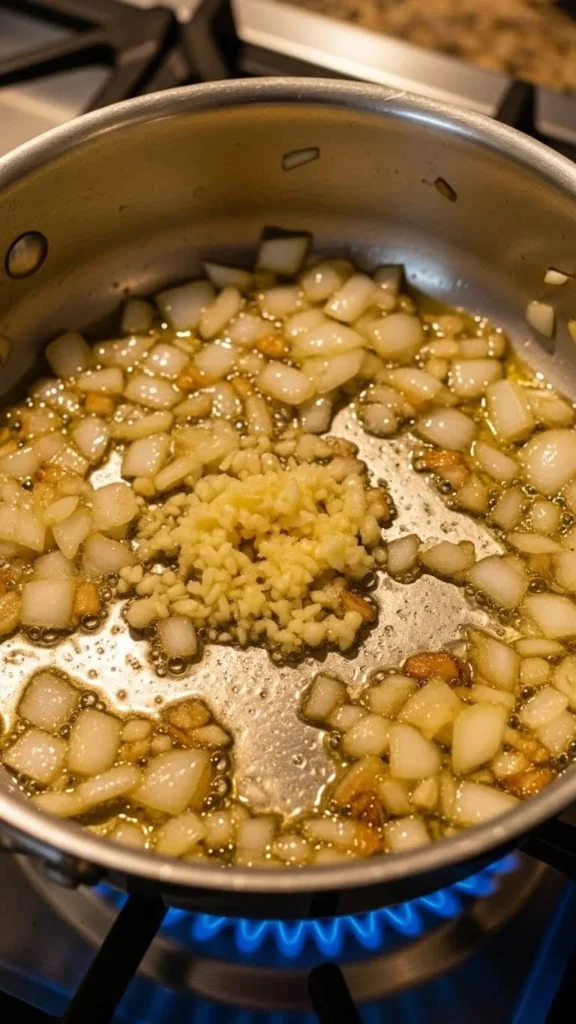
- Heat olive oil over medium heat.
- Add finely chopped onions and cook until soft and translucent.
- Stir in minced garlic and cook just until fragrant—about 30 seconds.
Why this matters:
- Slow-cooked onions add sweetness.
- Garlic brings depth without overpowering.
- Olive oil carries and rounds out all the flavors.
Keep the heat gentle. Browning too fast can make the sauce bitter.
Tomatoes: The Heart of the Sauce
Once your base smells amazing, it’s time for tomatoes.
- Add tomato paste (if using) and cook it for 1–2 minutes to deepen the flavor.
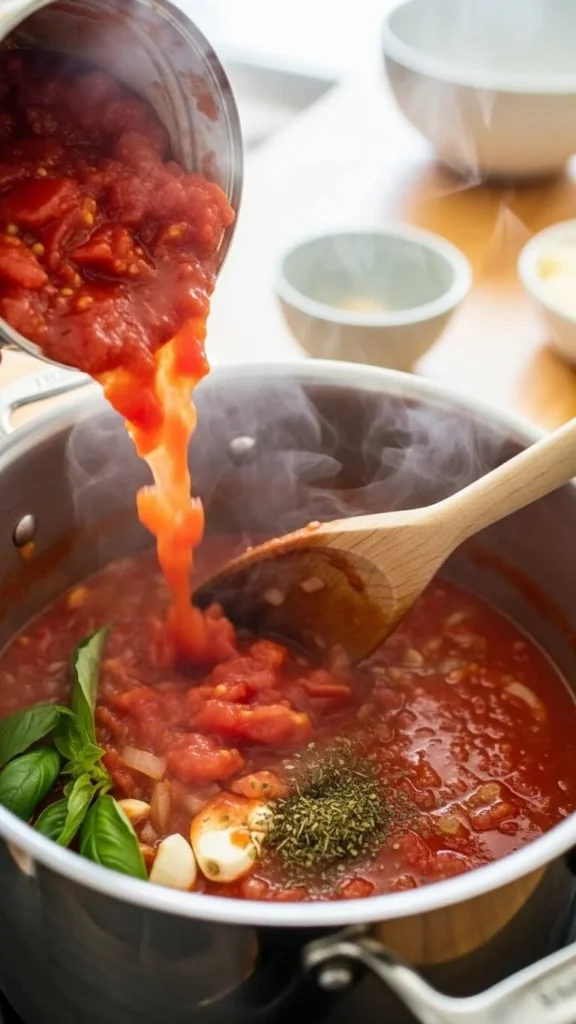
- Pour in your tomatoes.
- Crush whole tomatoes gently with a spoon or your hands.
- Season with salt and black pepper.
Optional additions at this stage:
- A pinch of sugar if tomatoes are acidic
- Red pepper flakes for heat
- A Parmesan rind for savory richness
Stir everything together and bring it to a gentle simmer.
Let It Simmer (This Is Where the Magic Happens)
Good sauce needs time—not rushing.
- Lower heat and let the sauce simmer uncovered.
- Stir occasionally to prevent sticking.
- Simmer for 30–45 minutes (or longer for deeper flavor).
As it cooks:
- The sauce thickens.
- Flavors meld together.
- Harsh acidity softens into richness.
If it gets too thick, add a splash of pasta water or water to loosen it.
Texture tip:
For a smoother sauce, use an immersion blender. For rustic sauce, leave it chunky.
Finish with Flavor Boosters
Right before serving, this is your chance to customize.
Try one (or more):
- A knob of butter for silkiness
- A splash of cream for a pink sauce
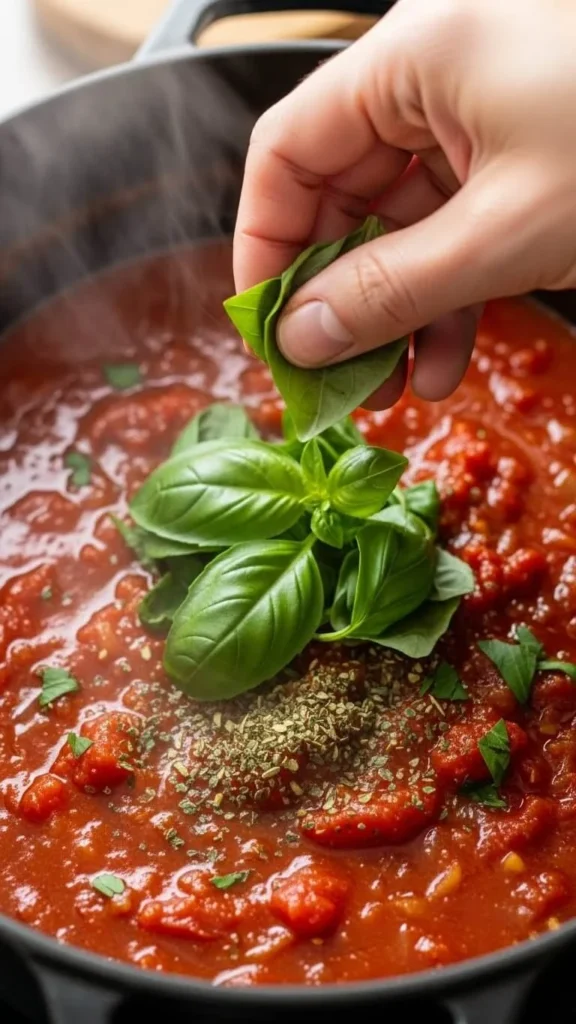
- Fresh basil torn by hand
- A drizzle of olive oil
Taste and adjust seasoning. Salt at the end makes a big difference.
Pairing Your Sauce with Pasta
Your sauce deserves the right pasta partner.
Best matches:
- Spaghetti or linguine → smooth sauces
- Penne or rigatoni → chunky sauces
- Fresh pasta → delicate, buttery finishes
Always toss pasta directly into the sauce with a little reserved pasta water. This helps the sauce cling beautifully to every bite.
[Image Prompt] A bowl of pasta tossed in rich red sauce, topped with grated Parmesan and fresh basil, set on a wooden table.
Make It Once, Enjoy It All Week
Homemade pasta sauce stores beautifully.
- Refrigerator: up to 5 days
- Freezer: up to 3 months
Freeze in small portions for quick weeknight dinners. You’ll thank yourself later.
Final Takeaway
Making rich homemade pasta sauce from scratch isn’t complicated—it’s comforting, rewarding, and endlessly customizable. Once you try it, jarred sauce just won’t compare.
Save this recipe for later, pin it to your favorite board, and enjoy the kind of pasta nights that feel truly special 🍝
Leave a Reply