There’s nothing more disappointing than a beautiful cake topped with grainy, flat, or overly sweet frosting. 😩 The good news? Perfect buttercream frosting is easier than you think—once you understand a few simple techniques. Whether you’re frosting cupcakes for a party, decorating a birthday cake, or just baking for fun, this guide will help you achieve smooth, fluffy, bakery-style buttercream every time.
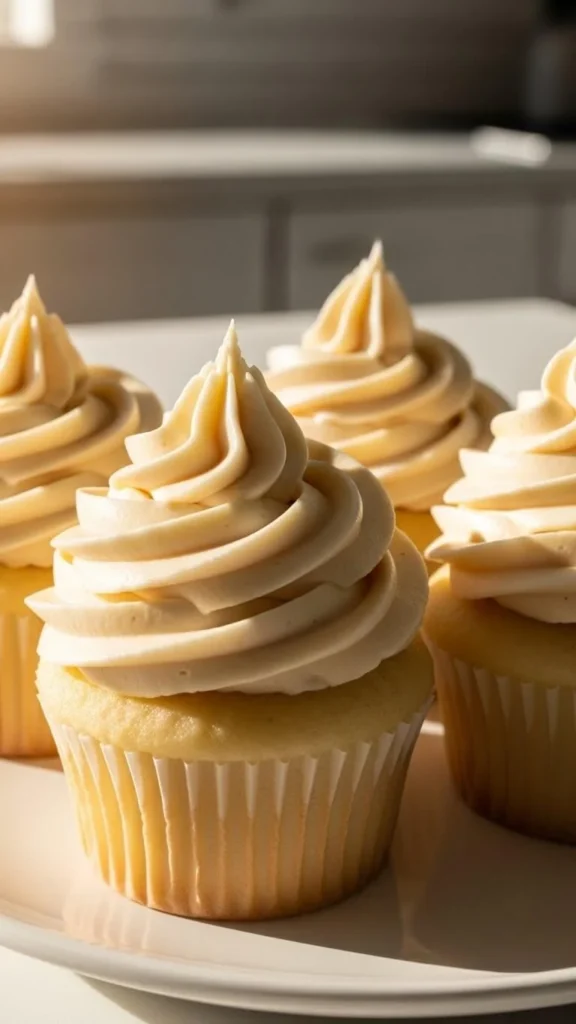
Let’s break it down step by step so you can frost with confidence.
What Makes Buttercream Smooth and Fluffy?
Buttercream seems simple—just butter and sugar, right? But the texture depends on a few key factors working together:
- The temperature of your butter
- The type and amount of sugar
- How long and how well you whip the frosting
- The right balance of liquid and flavoring
Master these, and you’ll never struggle with frosting again.
Ingredients You’ll Need (And Why They Matter)
Before you start mixing, make sure your ingredients are spot on.
- Unsalted butter (room temperature): This is the base. Soft butter traps air when whipped, creating fluffiness.
- Powdered sugar (sifted): Gives sweetness and structure without graininess.
- Heavy cream or milk: Loosens the frosting and makes it creamy.
- Vanilla extract: Adds classic flavor (you can customize later).
- Pinch of salt: Balances sweetness and enhances flavor.
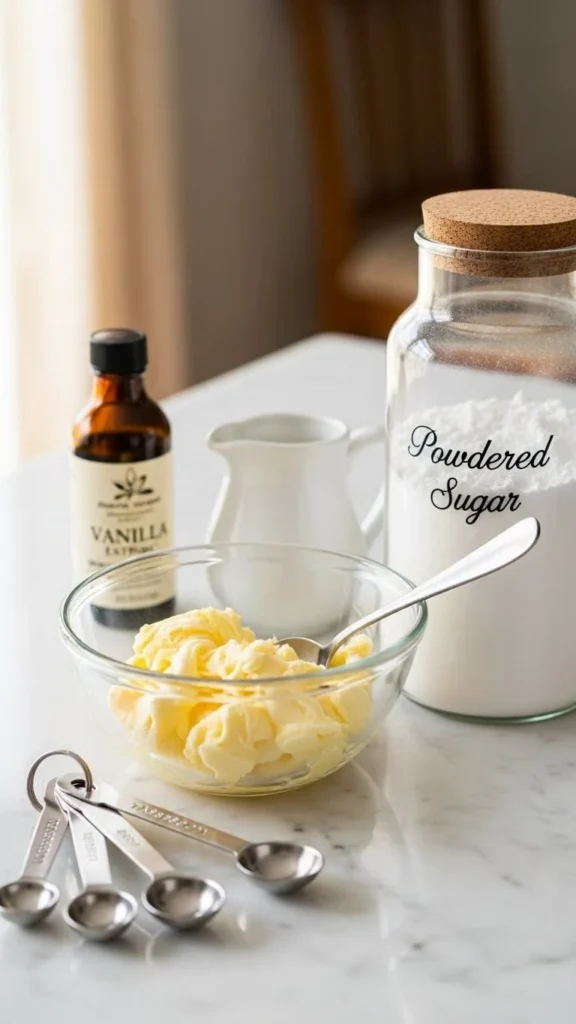
💡 Pro tip: Always use powdered sugar—not granulated—or your buttercream will feel gritty.
Step-by-Step: How to Make Buttercream Frosting
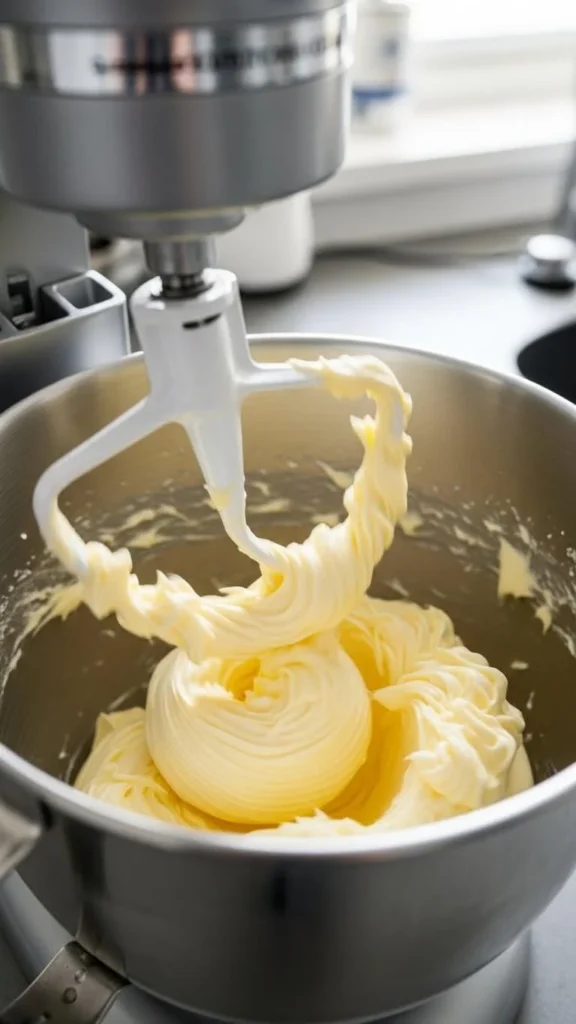
1. Start With Properly Softened Butter
Your butter should be soft but not melted. When pressed, it should leave a dent without collapsing.
- Too cold = lumpy frosting
- Too warm = greasy frosting
Beat the butter alone for 2–3 minutes until it looks pale and creamy.
2. Add Powdered Sugar Slowly
This is where many people rush—and regret it later.
- Add powdered sugar one cup at a time
- Mix on low speed to avoid a sugar cloud
- Scrape down the bowl often
Once incorporated, increase speed and let it whip.
3. Add Liquid and Flavor
Now it’s time to adjust texture and taste.
- Add 1–2 tablespoons of cream or milk
- Mix in vanilla extract
- Add a tiny pinch of salt
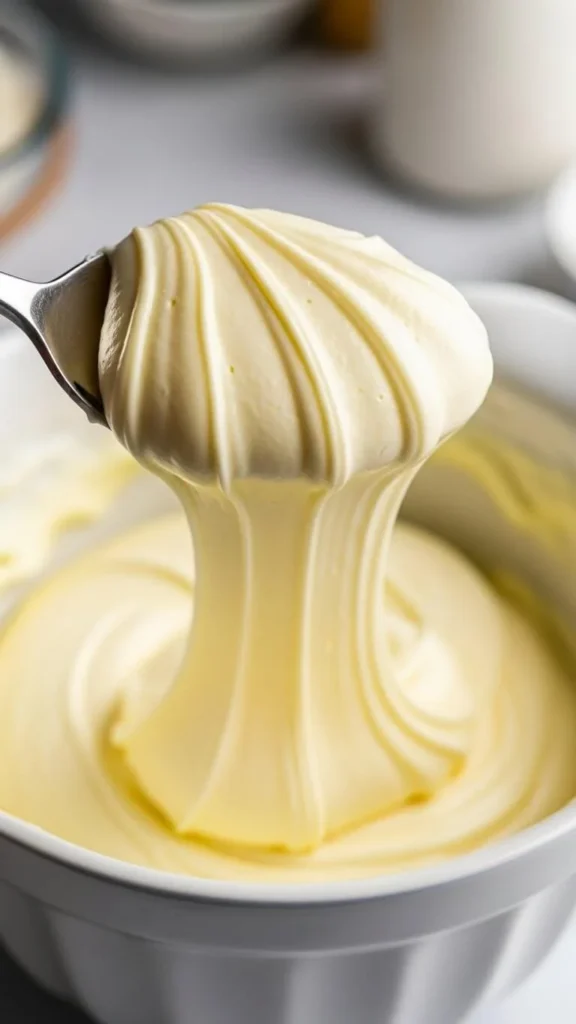
Beat again until the frosting becomes light, smooth, and spreadable.
How to Get That Ultra-Fluffy Bakery Texture
If your buttercream tastes good but looks dense, don’t worry—this step makes the magic happen.
- Beat the frosting on medium-high speed for 3–5 minutes
- This incorporates air, making it lighter in color and texture
- The frosting should hold soft peaks and feel airy
⏱️ Yes, extra whipping really matters. Most home bakers stop too soon.
Common Buttercream Problems (And Easy Fixes)
Even experienced bakers run into issues. Here’s how to fix them fast:
- Too thick?
Add cream, 1 teaspoon at a time. - Too thin?
Add more sifted powdered sugar. - Too sweet?
Add a pinch of salt or a bit more butter. - Air bubbles?
Mix on low speed for 1 minute to smooth it out.
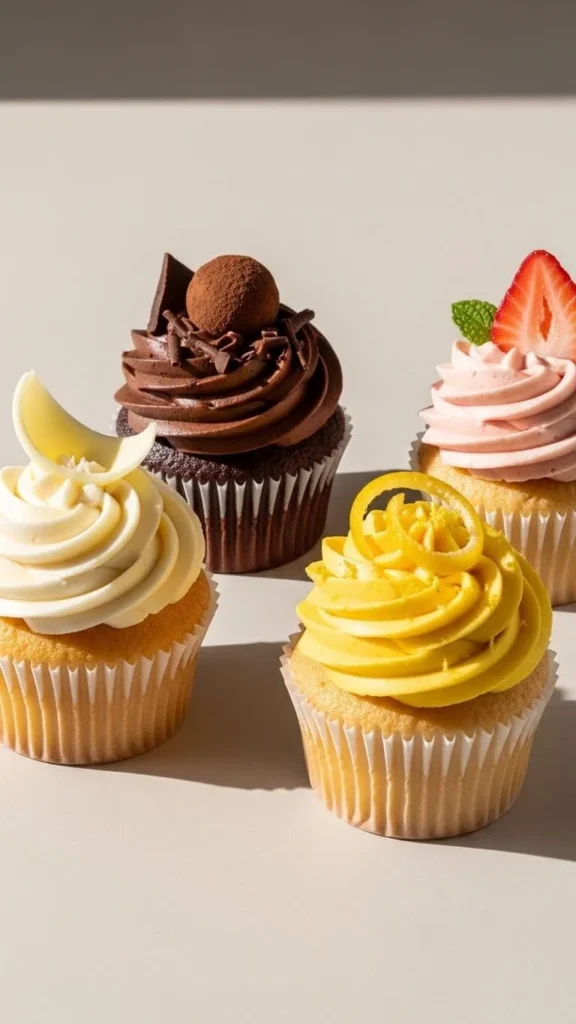
Flavor Variations You’ll Love
Once you master classic buttercream, customizing it is easy:
- Chocolate: Add melted, cooled chocolate or cocoa powder
- Strawberry: Mix in strawberry puree or freeze-dried powder
- Coffee: Add espresso powder dissolved in cream
- Lemon: Use lemon zest and a splash of juice
Best Uses for Buttercream Frosting
This smooth, fluffy buttercream is incredibly versatile:
- Cupcakes and layer cakes
- Cake filling and crumb coats
- Piped decorations and borders
- Cookies and sandwich desserts
It spreads easily and holds its shape beautifully.
Final Thoughts: Your Go-To Buttercream Recipe
Making smooth, fluffy buttercream frosting isn’t about fancy tools—it’s about technique, patience, and quality ingredients. Once you try this method, you’ll notice the difference immediately in both taste and texture.
✨ Save this recipe for later, pin it to your baking board, and share it with a friend who loves to bake! Your cakes deserve frosting that’s just as amazing as they are.
Leave a Reply